Bitcoin Surges Past $120K as U.S. Lawmakers Push Crypto-Friendly Bills
Bitcoin has soared to new highs, surpassing $120,000, as U.S. lawmakers intensify their support for cryptocurrency regulation. The surge comes amid rising optimism in the industry, spurred by legislative efforts and renewed investor interest in digital assets.
What’s Driving the Rally
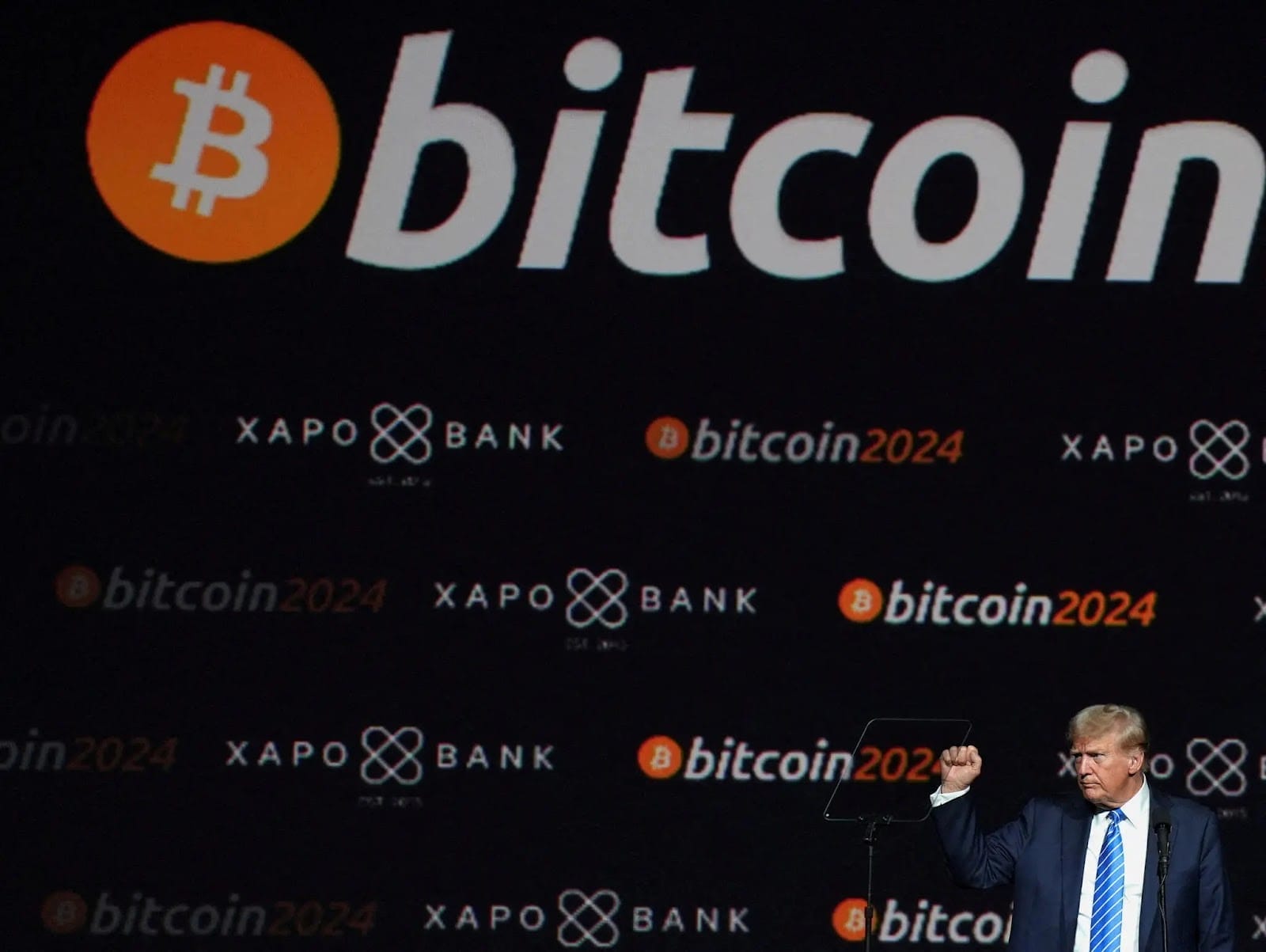
Bitcoin’s price jumped above $122,000 on Monday, more than doubling from a year ago. Analysts link this momentum to recent policy shifts under President Trump, who has signaled strong support for crypto innovation. This week, the U.S. House dubbed it “crypto week” as it reviews several high-impact bills.
The spotlight is on three major proposals:
- The GENIUS Act, which targets stablecoin regulation;
- The Digital Asset Market Clarity Act, which defines oversight roles for the SEC and CFTC;
- The Anti-CBDC Surveillance State Act, which would block the Federal Reserve from launching its own digital currency.
Republicans say these bills aim to cement America’s position as a global leader in digital finance.
Political Backing Fuels Market Optimism
Bitcoin’s momentum is more than just market speculation. Exchange-traded funds (ETFs) tied to Bitcoin saw $2.7 billion in inflows last week, according to Bloomberg. That marks one of their strongest performances since launching.
Investors believe that a more favorable policy environment could bring cryptocurrency further into the mainstream. Coins like Ether, XRP, and Solana also gained significantly in response.
However, this boom hasn’t come without criticism. Democrats, including Rep. Maxine Waters, argue the bills reward Trump-backed crypto projects and could open the door to conflicts of interest.
Global Trade Fears Add Complexity
While crypto rises, Trump’s aggressive trade stance is sending jitters through other parts of the economy. The president threatened to impose 30% tariffs on imports from Mexico and the European Union by August 1 if trade deals aren’t reached.
Markets responded cautiously. Treasury yields spiked, and global equities dipped on concerns about rising costs and slowed growth. Though the MSCI All Country World Index remains near record highs, some analysts warn that prolonged trade uncertainty could hurt consumer and business confidence.
Will Markets Force a Policy Shift?
Earlier this year, bond market tension caused Trump to back off similar tariff threats. With economic pressure mounting, investors wonder whether the markets could once again influence the administration’s stance.
“Even if talks avoid major tariffs, delays already hurt the economy,” wrote Salomon Fiedler of Berenberg in a Monday note. Businesses may pause investments, and families may hold back on spending due to uncertainty.
Earnings Season Adds More to Watch
Meanwhile, corporate earnings could determine whether stocks continue their run. Major companies like JPMorgan Chase, Netflix, and United Airlines report this week. While Q1 earnings were strong, Q2 may pose a bigger challenge due to inflation, tariffs, and shifting consumer habits.
Investors will watch closely for:
- How tariffs affect profit margins
- Signs of weakening consumer spending
As volatility in global trade meets optimism in digital assets, markets are balancing risk with hope. Crypto’s rise may reflect more than hype—it may signal a shift in how the U.S. defines economic leadership.
More…